Showing posts with label #01 - #31. Show all posts

May 9, 2013

#31 Eventyrløbet / Pohádkový běh

Pohádkového běhu v Odense na 5 a 10 km se účastní 20 000 běžců. Rovinatá 10 km trasa mi zabrala 53:36. Většinou jsem běžel příkopem, abych se dostal před pomalejší běžce. Eventyrløbet pojaly místní firmy jako reklamní a teambuildingovou akci, vybavily zaměstnance tričky a po běhu se sešli ke grilování.

Fairytale run in Odense with trails on 5 and 10 km is attended by 20 000 runners. I took the flat 10 km long trail in 53:36. Most of the time I ran in the ditch to be able to run around slower runners. Eventyrløbet took local companies as advertisement and teambuilding activity. They equipped their employees with company t-shirts and after the run they all meet for grilling. 

Big grilling party after the run, every company has its own tent and a grill stand.

May 8, 2013

#30 Na hnízdě / On the nest

Sýkorky už sedí na hnízdech! To znamená, že za dva týdny budeme mít první ptáčata a za dalších 18 dní mladé vyletí z hnízda. Zatímco sýkorka na fotce už sedí, některá hnízda se začínají stavět. Vypadá to, že skoro ve všech budkách budeme mít koňadry a jen ve dvou modřinky. 

Tits are siting on the nests! It means, that we will have first young after two weeks and they will fly out of the nest after next 18 days. While the tit on the picture is sitting, some of the nest have been just started to build. It looks, that in most of the nests we will have big tits and only in two nest boxes blue tits.

Get out of my nest!

May 7, 2013

#29 Brødrister

Když jsem byl malý, měli jsme infračervený zářič jako součást horského sluníčka, buď se zapnulo UV nebo IR záření. Teď se v Česku používá hlavně jako topení. No a v Dánsku je to kuchyňský pomocník, na kterém si můžete opéct toust, housku nebo pizzu, podobně jako na roštu nad ohněm.

When I was little we had an infrared emitter as a part of a sunlamp. It was possible to turn on UV or infrared rays on it. Now are infrared emitters in Czech Republic used mostly for heating. And in Denmark it is a kitchen helper. You can roast a toast, a baguette or a pizza on it. It is similar as roasting on a grate above the fire. 

Brødrister with the toast bread

May 6, 2013

#28 Racek uřvaný / Screaming gull

Racek mořský, nenechte se zmást jménem, dal by se nazvat i racek uřvaný nebo racek vyžírač odpadků před hypermarketem. Nejhlasitější pták, kterého jsem potkal, kromě papouška kakadu, vyznačuje se táhlým krákáním. V Dánsku naštěstí nejsou příliš agresivní, jinde jsem se setkal s racky, co se snažili sežrat svačinu z ruky.

Seagull, don´t be fooled by his name, the name should be screaming gull or gull the eater of food scraps ahead of the hypermarket. The loudest bird which I met, apart from cockatoo. It is characterized by a long caw. Fortunately in Denmark they are not really aggressive, but in another country i met seagulls who tried to eat a snack from your hand...

Sea gull

May 5, 2013

#27 Prach / Dust

Ani jsem si to za půl roku neuvědomil, ale od podzimu jsem v bytě nemusel utírat prach. Všechen nábytek je stále krásně čistý. Možná za to může neustálý vítr nebo moře, které prach ze stopadesátitisícového města pochytá. Že by důvod, proč v Českých domácnostech často nenajdete v Dánsku oblíbené regály?

I haven´t realized it in last half of a year, but I didn't have to wipe a dust in our flat from last autumn. All furniture is still pretty clean. Probably the reason is a constant wind or the sea which catches a dust from a city with one hundred fifty thousand people. Can it be the reason, why you will not often find shelves in Czech households, but they are very popular in Denmark? 

In Denmark are shelves very popular. Its nice, if you don´t need to wipe a  dust from them.
 

May 4, 2013

#26 První vejce / First eggs

Naše sýkorky mají první vejce. Trochu jsme prošvihli začátek snůšky v jedné z budek, ale teď už budeme pozornější. Sýkorky totiž vejce zahrabaly do vrstvy peří a mechu. Při včerejší obhlídce jsme tak naši celkem 26 vajec. S našimi 18 obydlenými budkami bychom mohli mít dohromady kolem 150 mladých sýkorek.

Our tits have first eggs. We missed the beginning of laying eggs in one nest box, but now we are be more attentive. Tits had eggs deep in the feathers and the moos. In our yesterdays visit we found 26 eggs in total. We should have approximately 150 young birds in our 18 inhabited nest boxes! 

How many eggs is in the box? :o)

May 3, 2013

#25 Klika u dveří / Door handle

Nejobyčejnější věc na světě. Klika! Co je na ní divného? Tahle se v Dánsku používá úplně všude. Klíčová dírka je zvenčí, zevnitř stačí otočit kolečkem a je zamčeno. Otáčí se na jeden západ a klíč má dvě řad zubů, první jak ji známe z česka a druhou vyfrézovanou z boku.

The most common thing in the world. Handle! What is strange on it? This handle is used everywhere in Denmark. Keyhole is only from outside, inside is closing wheel. To lock out doors you turn keys only once. And key has two rows of teeth. First on usual place and second engraved to the side of a key.

Danish handle

May 2, 2013

#24 Confirmation

Konfirmace je protestantská veze katolického biřmování. Je to uvádění dětí, které dosáhly věku 14 let do dospělosti a probíhá většinou v dubnu a květnu. V současné době se ale děti na konfirmaci do kostela moc nehrnou, daleko důležitější jsou pro ně bohaté dárky, které dostávají a také velká rodinná oslava.

Confirmation is protestant variation of catholic „biřmování“. Children aged 14 years are confirmed as adults. It takes place mostly in April and May. In present children don´t hurry to the church. More important for them are many presents which they get from their family and a big family celebration.

Village decorated by flags in the occasion of Confirmation.

May 1, 2013

#23 Kodaň/ Copenhagen

V dánštině København, tedy nákupní přístav je hlavní a největší město Dánska a má stejně lidí jako Praha, 1,2 milionu. Ve městě a okolí žije třetina Dánů. Město začalo rychle růst za absolutismu v 17. století, proto tu opravdu historické jádro nenajdete a do přírody je to pár minut chůze.

In Danish København means a commercial harbor. It is the main and the largest city of Denmark. Here lives the same number of people as in Prague, 1,2 million. In the city and in suburb lives one third of Danish people. City started to grow in 17. century in the era of Absolutism. In this reason you will not found here a real historical center, but  you will get to the nature after a few minutes of walking.

Copenhagen - Ny havn

April 30, 2013

#22 Dvojité zdi / Double walls

Dánské rodinné i bytové domy mají dvojité zdi. U starších domů je mezi zdmi jen prázdná mezera, u těch novějších pak tepelná izolace z minerální vaty. Vnitřní zeď je nosná, buď betonová, porobetonová nebo z cihel, u nižších domů silná třeba jen 10 cm. Venkovní zeď je z keramických cihliček.

Danish family houses and blocks of flats have double walls.A gap between walls of old houses is empty. New houses have a gap filled by mineral wool. Inner wall is the bearing wall of house, it is made of concrete, aerated concrete or bricks. External wall is made of ceramic bricks. Lower houses like family houses have bearing wall thick only around 10 cm. 

Corner of the bearing wall with the gap filled with mineral wool cca 25 cm thick and with external wall made of ceramic bricks thick 11 cm.


April 29, 2013

#21 VM Houses in København

Dva bytové domy od architektonické skupiny BIG stojí v moderní kodaňské čtvrti. Název domů pochází z jejich půdorysu, jsou zalomené, aby si navzájem nestínily. Nejzajímavější je fasáda se špičatými balkony, ze kterých je dobrý výhled. Zároveň se spolu mohou setkávat obyvatelé bytů z různých pater. Balkony jsou takový společný dvorek.

Two block of flats was built by architectural group BIG in the modern Copenhagen district. Name of houses comes from the shape of their floor plan. They are wrapped to have the best view to the landscape. The most interesting on these houses are spiked balcony. From balcony have inhabitants a good view. So as they can meet with other people from different floors of the house. 

House with spiked balcony
Inhabitants can communicate with others in vertical direction


Detail of balcony


April 28, 2013

#20 Malá mořská víla / Little Mermaid

Jeden ze symbolů Dánska sedí na kameni v moři u Kodaňského nábřeží. Je to místo, kam by jinak turistova noha nejspíš vůbec nevkročila. Jak je pro Dány důležitá se ukázalo v okamžiku, kdy měla opustit zemi a stát se na půl roku středem dánské expozice na Expo 2010 v Šanghaji.

One of symbols of Denmark sits on its rock in the sea close to the waterfront in Copenhagen. This is a place, on which otherwise tourist foot never step on. The importance of Little Mermaid for Danes showed up in the moment, when she have to leave country and become a center of the Danish exposition on Expo 2010 in Shanghai. 
Little Mermaid in København on its stone.


April 27, 2013

#19 Dánská řeč / Danish language

Dánština je něco mezi němčinou a angličtinou. Psaní je podobné němčině, navíc jsou znaky jako å, æ nebo ø. Při čtení je podobná angličtině, gramatiku má také docela jednoduchou. Problém je ve výslovnosti. Dánové totiž spoustu písmen ve slovech nevyslovují a při řeči slova spojují do skupin, které vyslovují dohromady.

Danish language is between English and German. Writing is close to the German language, in addition there are letters like å æ or ø. Reading is close to the English language and Danish grammar is very simple. Problem is in a pronunciation. Danes don´t pronounce a lot of letters in the words. And when speaking, they join more worlds to the groups, which they are saying together as one word. 

How is black writing pronounced (in red). What time is it? Can I go with you?
 

April 26, 2013

#18 Turistické značení / Tourist signs

S pěšími turisty se v Dánsku příliš nepočítá, barevné pruhy, které máme v Česku tady neznají. Turisté tu jezdí buď na kole nebo autem, proto jsou značky na silnicích. Trasa po zajímavých místech je značená kopretinou v hnědém poli u ukazatele směru a směrovky k turistickým cílům znakem na fotce.

In Denmark they do not count with hikers much. Colored strips on tourist paths which we have in Czech they don´t know. Tourists in Denmark mostly ride a bike or drive a car. In this reason tourist signs are on the roads. Tourist route is marked by a daisy in a brown field on a signpost. Signposts to interesting places have a simply symbol (on the picture). 

Sign of an interesting place next to H.C. Andersen hus signpost
 

April 25, 2013

#17 Rozvoz pošty v Dánsku / Delivering of mail in Denmark

Konečně se mi podařilo zachytit dánské poštovní kolo! V předu i vzadu je těžce naložené, hlavně reklamami a balíky. Takovou váhu by pošťák neušlapal, proto mu pomáhá elektrický motor. Pošta se rozváží 6 dnů v týdnu, od pondělka do soboty. Kam je to pro kolo příliš daleko, jezdí poštovní motorka.

Finally! I was successful in taking a photo of the Danish postal bike.  Bike is loaded with parcels and ads in front so as in back of it. Bike is very heavy and postman has electric motor to help him with moving it. Post is delivered 6 days a week, from Monday to Saturday. To the places which are too far from a post, postman is riding a postal motorbike.

Danish postal bike

April 24, 2013

#16 Ptačí budky po třech týdnech / Nest boxes 3 week progress

Po třech týdnech sledování máme z 19 budek pro sýkorky rozestavěno 14 hnízd. Z toho 3 jsou hotová a čekáme na první vejce. Jen do jedné budky se žádný pták nepodíval. Některá hnízda sýkorky postavily během jednoho týdne a některá se staví pomalu, že by rozdíl mezi koňadrami a modřinkami?

After three weeks of monitoring nest boxes we have 14 from 19 nests in progress. Three are already built and we are waiting for the first eggs!. There is only one empty nest box, which haven´t been visited by a bird. Some of nests were built in one week and some of them are built slowly. Should it be the difference between big tits and blue tits? 

Progress of our nests after tree observations. Small dots is poo from birds, who have slept in boxes.  Black filled boxes are in progress from 1/4 to 4/4. And NL means, that nest is lined by hair and prepared for eggs.

April 23, 2013

#15 Rezidence na molech / Residency on piers

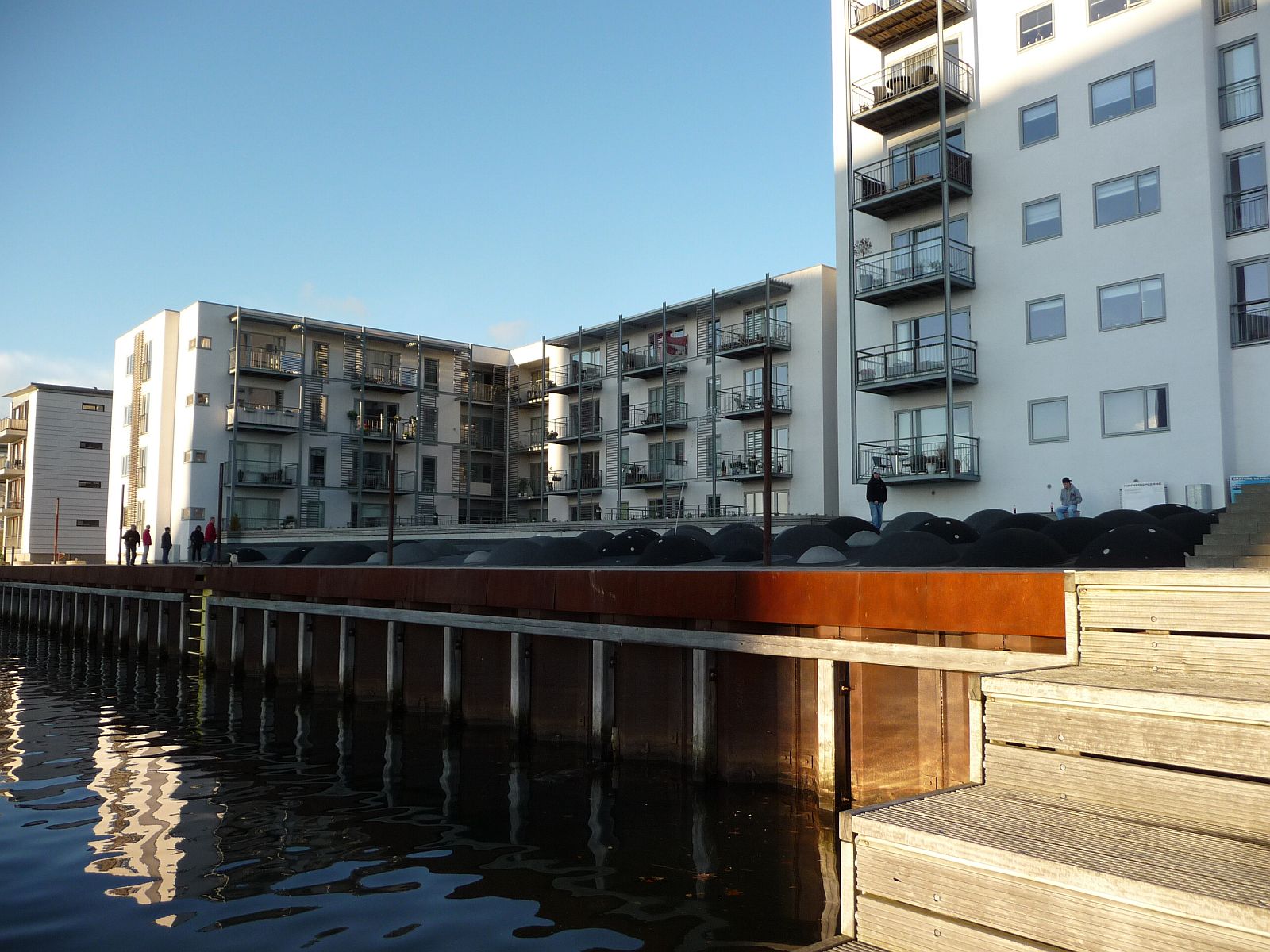
Přístavní mola v Odense už dávno neslouží lodní dopravě, lodě jsou velké a 5 km dlouhý kanál, který spojuje přístav s mořem, úzký a mělký. Přístav se přesunul do zálivu. Přístavní mola osaměla jen na krátko, teď se přestavují na luxusní čtvrť, kde si můžete zaparkovat jachtu přímo pod okny.

Old piers in Odense are not in use for ships for a long time now. Ships are now big and a shallow 5 km long channel between sea and the harbor is not usable for them at all. Harbor moved to the gulf and piers were left alone. But only for a short time. Now they are rebuilt to a high-class district, where you can park your boat next to the windows of your flat. 


Residency in harbor

April 22, 2013

#14. Vítr / Wind

Silný vítr se žene od moře nad plochými a nízkými dánskými ostrovy, roztáčí vrtule větrných elektráren rozestavěných v malých skupinkách po krajině, a v ohromných větrných farmách na moři. V Dánsku je síla větru stejně důležitá, jako teplota vzduchu. Proto v předpovědi počasí je, hned pod teplotou, graf rychlosti větru.

Strong wind blows from the sea over the flat Danish islands. It spins propellers of wind turbines which are scattered in the small groups over the landscape and in the big wind farms at sea. In Denmark has the strength of the wind the same importance as air temperature. Therefore is the graph of strength of the wind just under the temperature in the weather forecast.

Strength of the wind in the bottom graph of the weather forecast.

April 21, 2013

#13. Usedlosti / Farms

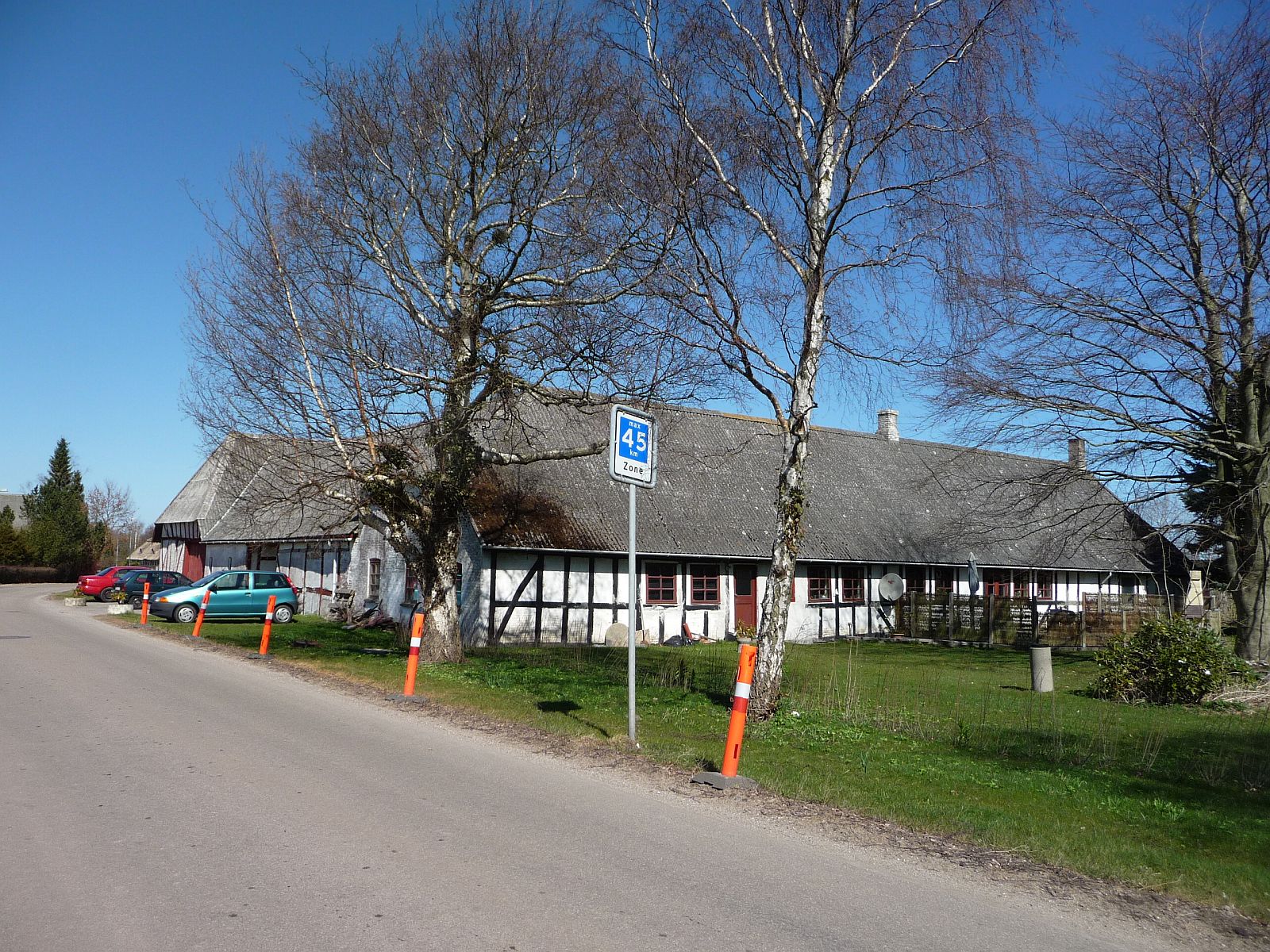
Spíše než velkými městy je Dánsko pokryto zemědělskými usedlostmi. Takovou usedlost tvoří dvůr do čtverce obklopený obytnými a hospodářskými budovami a poli. Po 500 metrech je další usedlost, za dalších 500 m další. Tady to opravdu není na chození pěšky, do obchodu se dostanete buď na kole nebo nejčastěji autem.

Denmark is rather then by big cities covered by farms. Such a farm is formed by a rectangular yard surrounded by residential buildings, outbuildings and farm lands. After 500 meters is another farm and after next 500 m is next farm... this is not a good place for going on foot. To the supermarket you will get by a bike or mostly by a car.

Typical Danish farm

April 20, 2013

#12. Podmáčený les / Waterlogged forest

V okolí Odense jsou všechny lesy podmáčené. Nejspíš za to může špatně propustná zemina a také zemědělství. Dánsko se od středověku živilo hlavně zemědělskou produkcí, těžký průmysl tu nikdy nebyl a tak se všechna suchá půda proměnila na pole a lesy zůstaly jen v mokřadech, kde se nic pěstovat nedalo.

All forests around the Odense are waterlogged. The main reason is probably poorly permeable soil and agriculture. From middle ages is the main Danish source of livelihood agriculture. There has never been heavy industry in Denmark and all dry land has been changed to the fields. Forests remained only in wetlands, where was not possible to grow anything.


Watterlogged forest in spring