Showing posts with label Building. Show all posts

September 5, 2013

Ostrovy / Islands

Ostrov se dánsky řekne "ø". A když chcete vidět zajímavou přírodu a kulturu jeďte na některý ze stovek menších ostrovů. Jsou svérázné a každý je zajímavý něčím jiným. Já byl na pěti z nich.

The Danish world for an island is "ø". And when you want to see interesting nature or culture just go to one of hundreds small Danish islands. They are peculiar and every island have something else interesting. I was on five of them.


Læsø - Domy se střechou z mořské řasy, střecha váží 40 tun.
Houses with the roof made of the sea grass, weight of the roof is 40 tones.
  
Langeland - Galerie v bývalých trafačkách dlouhá 50 km.
Gallery in former transformers is 50 km long.
Fanø - Tady všechno oplétají vlnou.
Here is everything covered by wool.
Æbelø - Sem s brodíte 1,5 km mořem.
To this island you will wade 1,5 km through the shallow sea.
Tåsinge - Tady proběhlo drama jak z Romea a Julie, jen o 300 let později. 
Here happened drama like from Romeo and Juliet, but 300 years later. 
  

July 19, 2013

Stánek se zeleninou /Vegetables stand


Vypadá jako obyčejný stánek, ale nikdo kolem něj. Takových je po Dánsku spousta, vezmete si co chcete, jahody nebo brambory, peníze hodíte do kasičky a jdete dál, zkrátka samoobsluha.

It looks like ordinary stand but there is no salesman. There is a lot of stands like this one in Denmark. Take what you want, strawberries or potatoes and put money to the money box. Simply self-service shop.

Vegetables stand on Langeland

May 5, 2013

#27 Prach / Dust

Ani jsem si to za půl roku neuvědomil, ale od podzimu jsem v bytě nemusel utírat prach. Všechen nábytek je stále krásně čistý. Možná za to může neustálý vítr nebo moře, které prach ze stopadesátitisícového města pochytá. Že by důvod, proč v Českých domácnostech často nenajdete v Dánsku oblíbené regály?

I haven´t realized it in last half of a year, but I didn't have to wipe a dust in our flat from last autumn. All furniture is still pretty clean. Probably the reason is a constant wind or the sea which catches a dust from a city with one hundred fifty thousand people. Can it be the reason, why you will not often find shelves in Czech households, but they are very popular in Denmark? 

In Denmark are shelves very popular. Its nice, if you don´t need to wipe a  dust from them.
 

May 3, 2013

#25 Klika u dveří / Door handle

Nejobyčejnější věc na světě. Klika! Co je na ní divného? Tahle se v Dánsku používá úplně všude. Klíčová dírka je zvenčí, zevnitř stačí otočit kolečkem a je zamčeno. Otáčí se na jeden západ a klíč má dvě řad zubů, první jak ji známe z česka a druhou vyfrézovanou z boku.

The most common thing in the world. Handle! What is strange on it? This handle is used everywhere in Denmark. Keyhole is only from outside, inside is closing wheel. To lock out doors you turn keys only once. And key has two rows of teeth. First on usual place and second engraved to the side of a key.

Danish handle

April 30, 2013

#22 Dvojité zdi / Double walls

Dánské rodinné i bytové domy mají dvojité zdi. U starších domů je mezi zdmi jen prázdná mezera, u těch novějších pak tepelná izolace z minerální vaty. Vnitřní zeď je nosná, buď betonová, porobetonová nebo z cihel, u nižších domů silná třeba jen 10 cm. Venkovní zeď je z keramických cihliček.

Danish family houses and blocks of flats have double walls.A gap between walls of old houses is empty. New houses have a gap filled by mineral wool. Inner wall is the bearing wall of house, it is made of concrete, aerated concrete or bricks. External wall is made of ceramic bricks. Lower houses like family houses have bearing wall thick only around 10 cm. 

Corner of the bearing wall with the gap filled with mineral wool cca 25 cm thick and with external wall made of ceramic bricks thick 11 cm.


April 29, 2013

#21 VM Houses in København

Dva bytové domy od architektonické skupiny BIG stojí v moderní kodaňské čtvrti. Název domů pochází z jejich půdorysu, jsou zalomené, aby si navzájem nestínily. Nejzajímavější je fasáda se špičatými balkony, ze kterých je dobrý výhled. Zároveň se spolu mohou setkávat obyvatelé bytů z různých pater. Balkony jsou takový společný dvorek.

Two block of flats was built by architectural group BIG in the modern Copenhagen district. Name of houses comes from the shape of their floor plan. They are wrapped to have the best view to the landscape. The most interesting on these houses are spiked balcony. From balcony have inhabitants a good view. So as they can meet with other people from different floors of the house. 

House with spiked balcony
Inhabitants can communicate with others in vertical direction


Detail of balcony


April 23, 2013

#15 Rezidence na molech / Residency on piers

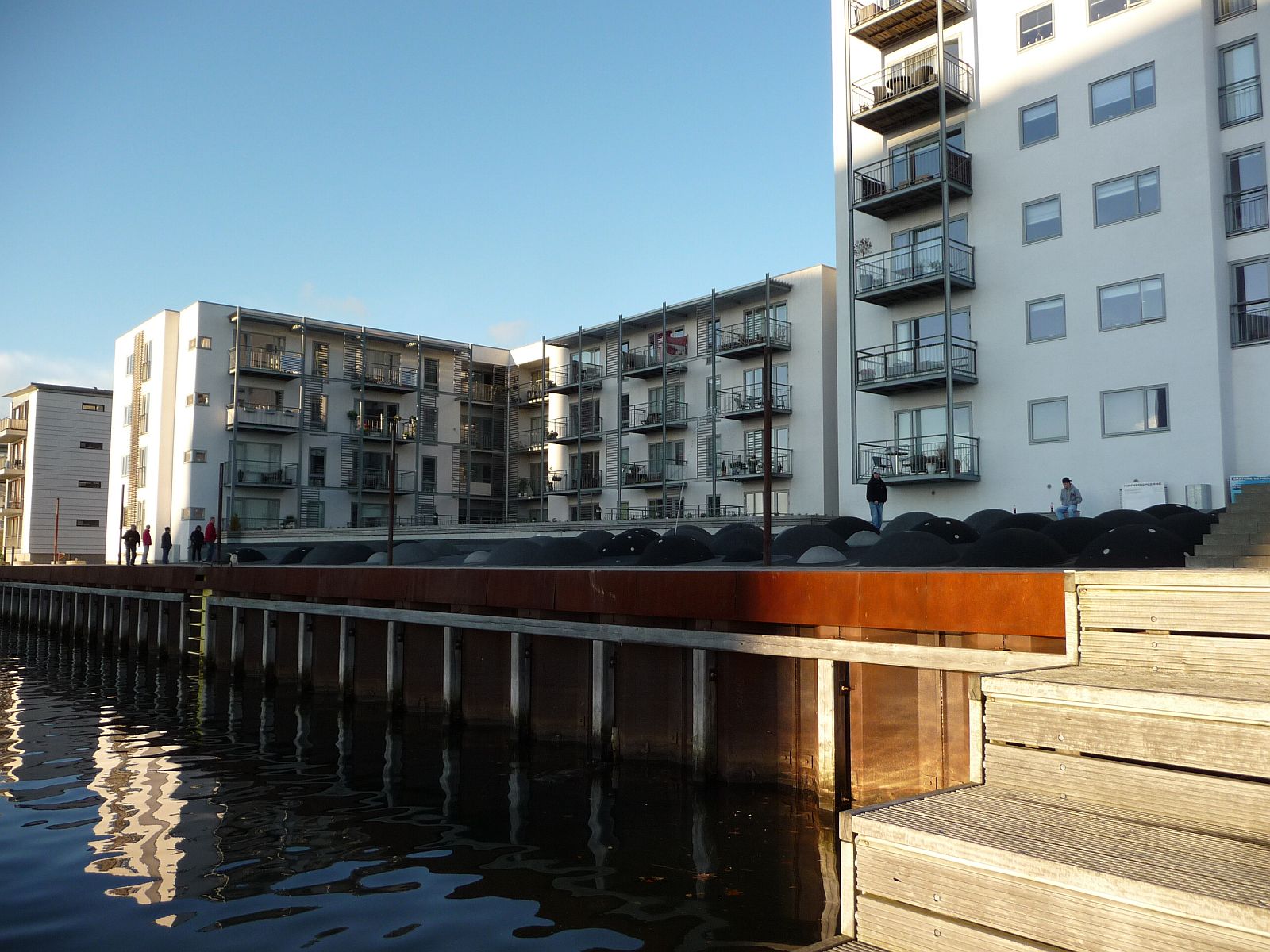
Přístavní mola v Odense už dávno neslouží lodní dopravě, lodě jsou velké a 5 km dlouhý kanál, který spojuje přístav s mořem, úzký a mělký. Přístav se přesunul do zálivu. Přístavní mola osaměla jen na krátko, teď se přestavují na luxusní čtvrť, kde si můžete zaparkovat jachtu přímo pod okny.

Old piers in Odense are not in use for ships for a long time now. Ships are now big and a shallow 5 km long channel between sea and the harbor is not usable for them at all. Harbor moved to the gulf and piers were left alone. But only for a short time. Now they are rebuilt to a high-class district, where you can park your boat next to the windows of your flat. 


Residency in harbor

April 21, 2013

#13. Usedlosti / Farms

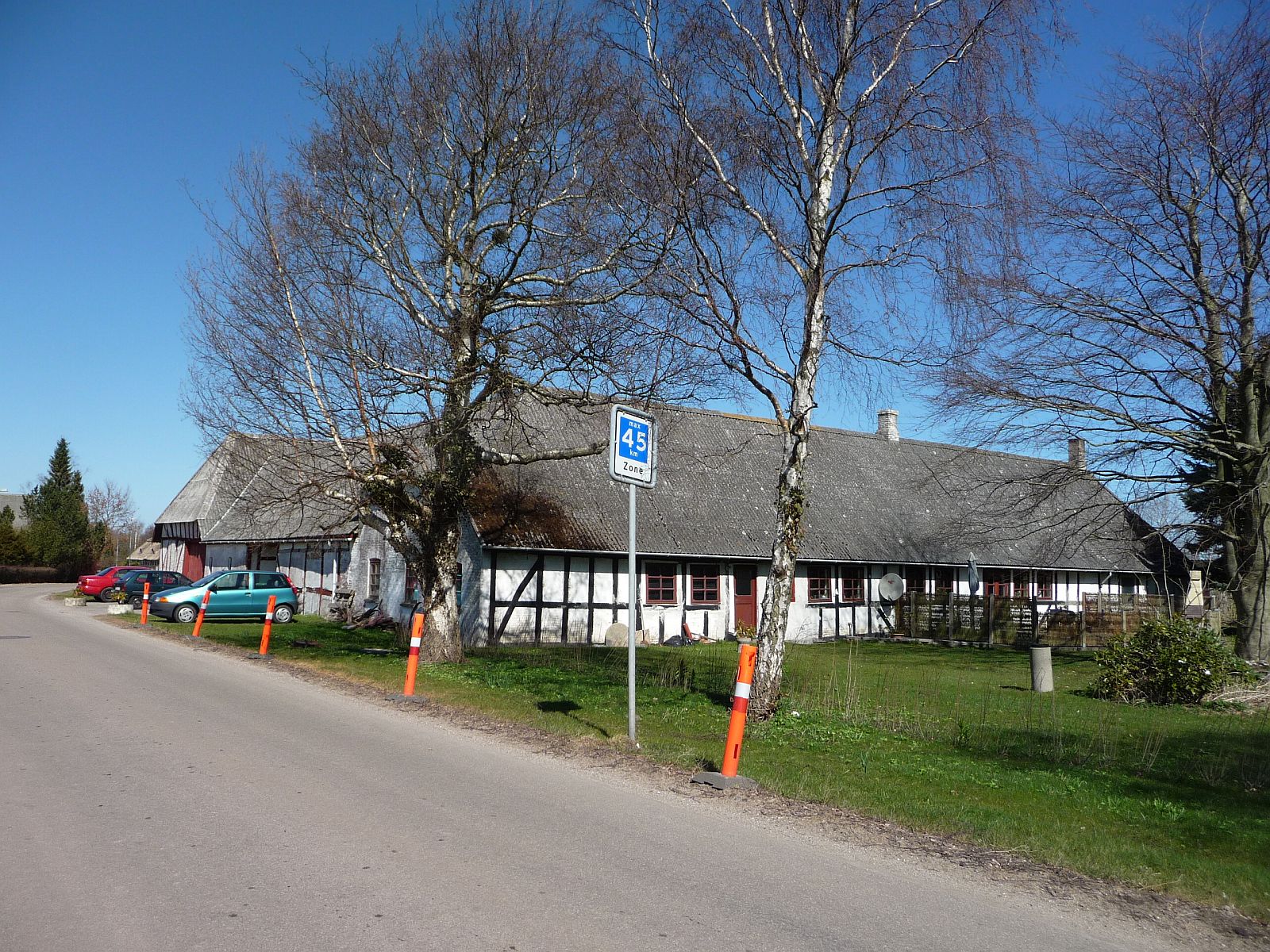
Spíše než velkými městy je Dánsko pokryto zemědělskými usedlostmi. Takovou usedlost tvoří dvůr do čtverce obklopený obytnými a hospodářskými budovami a poli. Po 500 metrech je další usedlost, za dalších 500 m další. Tady to opravdu není na chození pěšky, do obchodu se dostanete buď na kole nebo nejčastěji autem.

Denmark is rather then by big cities covered by farms. Such a farm is formed by a rectangular yard surrounded by residential buildings, outbuildings and farm lands. After 500 meters is another farm and after next 500 m is next farm... this is not a good place for going on foot. To the supermarket you will get by a bike or mostly by a car.

Typical Danish farm

April 15, 2013

#07. Elsinor

Hamletův hrad Elsinor je ve skutečnosti Kronborg ve městě Helsingør. Tady se ve středověku vybíralo mýtné za proplutí úžinou mezi Dánskem a Švédskem. Původně patřily Dánsku oba břehy úžiny. V 17. století už patřil druhý břeh Švédsku a v okamžiku, kdy americká loď odmítla zaplatit Dánsko o tučný příjem přišlo.

Hamlet´s castle Elsinor is actually Kronborg castle in the Helsingør city. On Kronborg, Danes collected the dues from ships which sailed through the sound between Denmark and Sweden. Owner of both sides of the sound was originally Denmark. But in the 17. century one side of the sound belonged to Sweden. When American ship refused to pay the dues, Denmark lost its rich income.


Kronborg castle

April 14, 2013

#06. Diagonal alley / Příčná ulice

Rád se jdu přes den na chvíli projít a všechny ulice kolem našeho domu dobře znám, jsou dlouhé, podélné. Občas občas ulice protne příčná spojka pro pěší. Tak jsem zkusil jít jen po spojkách a najednou, uprostřed mezi zahradami ukrytý parčík. Kdo nezkusil příčnou ulici, nikdy se o něm nedozví.

I like to stroll through the streets around our house. Now I know all streets in the neighborhood very well. They are long and longitudinal. Sometimes there is a crossection with a diagonal shortcut for the pedesrians. I tried to go only by these shortcuts, when suddenly, between gardens of family houses appeared small park. Who haven´t tried the diagonal alley, he will never find it. 

What is in the end of the Diagon Alley?

February 19, 2013

The table lamp nation

Danes are a table lamp nation. They don´t have the central light in the living room in most houses. Instead of it they have a lot of table lamps and floor lamps around the room or there is a light low over the dining table. 
In Danish houses there are central lights mostly in bedrooms and in the kitchen. I think that Danes like this semi-darkness created by these small lamps. 
Floor lamp in the living room.

December 7, 2012

Wash house

In Czech Republic we are used to have own washing machine in every flat. In Denmark there are wash houses or special rooms for laundry instead of home washing machines. They are used by couple of block of flats. In laundry there are big washing machines and big dryers.

It is very fast to wash clothes in a big washing machine. It takes one and half hour to have clothes clean and dry. With our washing machine in Czech Republic it takes two hours only to have clothes clean. 

Big washing machines in the wash house.